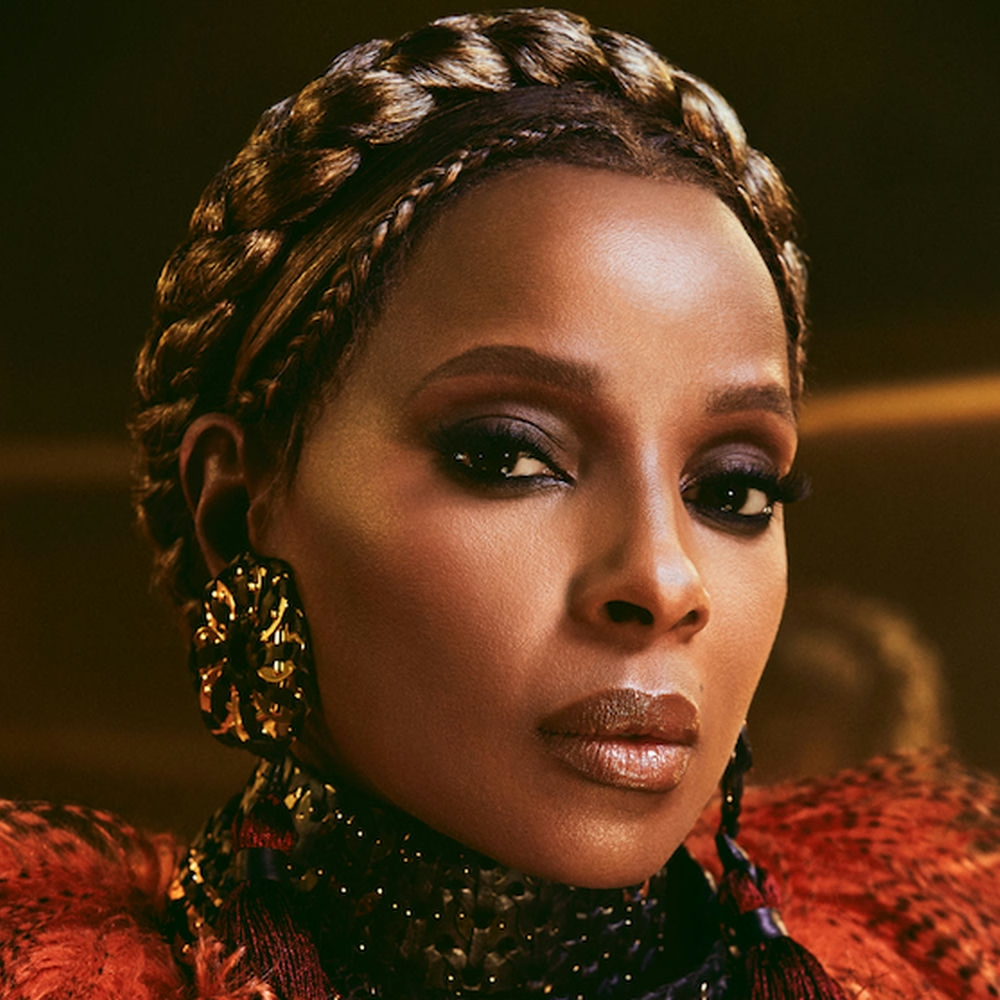
The girl from the Bronx who made pain into a platinum sound. Mary J. Blige -- took the confessional intimacy of R&B and slammed it into the hard drums of hip-hop and created something nobody had heard before.
She called it real. The world called it the new soul. The marriage of those two sounds -- the vulnerability of R&B and the aggression of hip-hop -- became the dominant sound of 1990s Black music. She started it.
The cost of that realness was unbearable at times. Blige grew up in the Schlobohm housing projects in Yonkers. Her childhood was marked by abuse, poverty, and the constant hum of violence that never stopped. She sang to escape a life that gave her no other exit. A demo tape of her covering Anita Baker's "Caught Up in the Rapture" found its way to Uptown Records. She signed as a teenager, still raw and unpolished. Puff Daddy produced her debut and the result was "What's the 411?" in 1992 -- a record that sampled hip-hop beats and layered Blige's street-hardened voice over them. The critics called it a revelation. The public called it theirs. But the cost was a long war with addiction to alcohol and drugs, depression that hollowed out years, and a string of abusive relationships that played out in the tabloids.
"Real Love 0:30" is the peak -- a single that samples "Top Billin'" and proves R&B can ride a hip-hop beat without sacrificing an ounce of feeling. The song became a template for an entire generation. Blige kept making albums that traced her own healing in real time. "My Life" in 1994 was darker and deeper and more honest than anything she had done before.

"Share My Life" showed her finding stability and faith. She won nine Grammys across three decades. She acted in films like "Mudbound" and earned an Academy Award nomination. She became the Queen of Hip-Hop Soul by surviving the things she sang about. Every album mapped another stage of recovery. That is rare in music. That is hard to watch and harder to live.
Mary J. Blige cost herself the safety of privacy. She bled into microphones for thirty years and let the world watch her put the pieces back together. She is still alive, still recording, still standing. Every R&B singer who samples a rap beat, every artist who turns a diary entry into a hit single, every woman who refuses to sanitize her pain for public consumption -- that is Mary's legacy. She did not just sing the blues. She made the blues into a Roland 808 beat and dared you to dance through the tears.
Mary J. Blige was profiled in the documentary, Mary J. Blige: My Life, in 2021.