Who Did It Better
Spanish Harlem
The Original -- 1961
Ben E. King
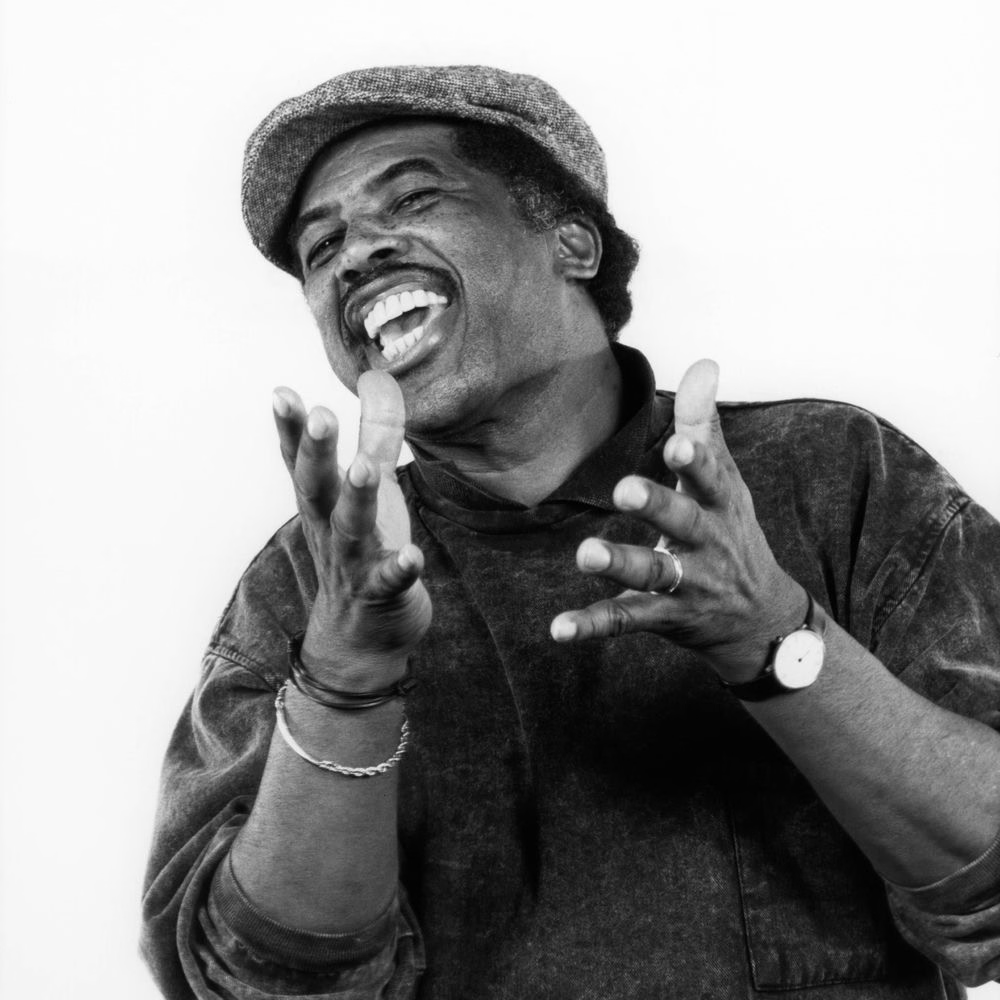
<p>The song is a love letter to a neighborhood, a specific place written with such tenderness that it becomes universal. Ben E. King recorded it as a Latin-tinged ballad, the narrator describing a rose growing up through the concrete of Spanish Harlem. The rose is a woman, but the song is also about the resilience of beauty in unlikely places. The Spanish Harlem of the title is not just a geographical location. It is a state of mind, a place where the most beautiful things grow out of the hardest ground. The flamenco guitar that opens the track sets the scene perfectly.</p> <p>That same love letter gets a soul-gospel reading from Aretha Franklin in her 1971 version. Where Ben E. King's original is gentle and romantic, built around that distinctive Spanish guitar figure, Aretha reimagines the song as a declaration of wonder. Her voice does not describe the rose. It becomes the rose, rising through the arrangement with the kind of strength that only comes from deep roots. The arrangement is bigger than Ben E.'s, the gospel influence more present, the rhythm section swinging in a way that transforms the song from a ballad into a celebration. Where Ben E. was admiring the rose from a distance, Aretha is telling you what it feels like to be that rose, to grow through concrete, to bloom where the conditions say you should not.</p>
The Cover -- 2014
Aretha Franklin
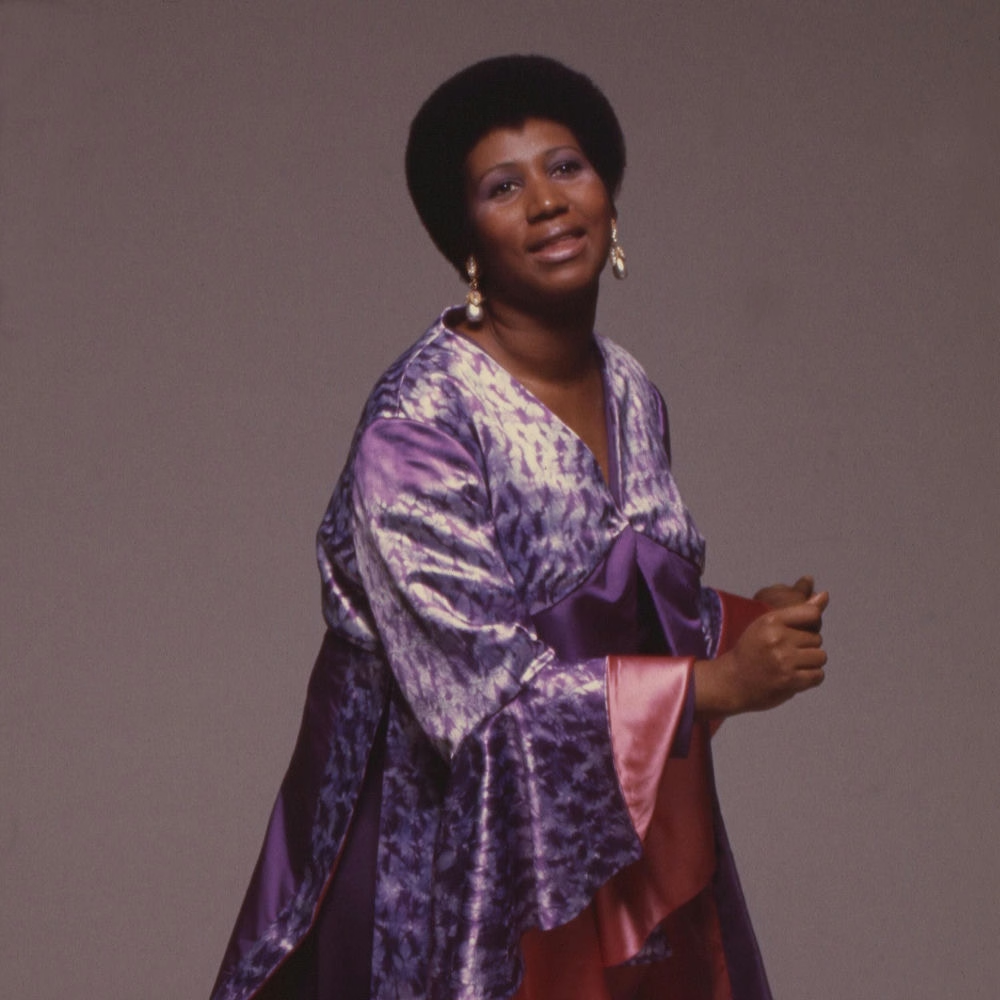
Aretha Franklin in her 1971 version. Where Ben E. King's original is gentle and romantic, built around that distinctive Spanish guitar figure, Aretha reimagines the song as a declaration of wonder. Her voice does not describe the rose. It becomes the rose, rising through the arrangement with the kind of strength that only comes from deep roots. The arrangement is bigger than Ben E.'s, the gospel influence more present, the rhythm section swinging in a way that transforms the song from a ballad into a celebration. Where Ben E. was admiring the rose from a distance, Aretha is telling you what it feels like to be that rose, to grow through concrete, to bloom where the conditions say you should not.</p>